The Grocery List That Actually Grows on Trees:
Clean eating gets a bad reputation sometimes.
The easiest way to eat cleaner isn't a diet. It's a direction: toward things that grow, and away from things that were manufactured to imitate them. Here's where to start.
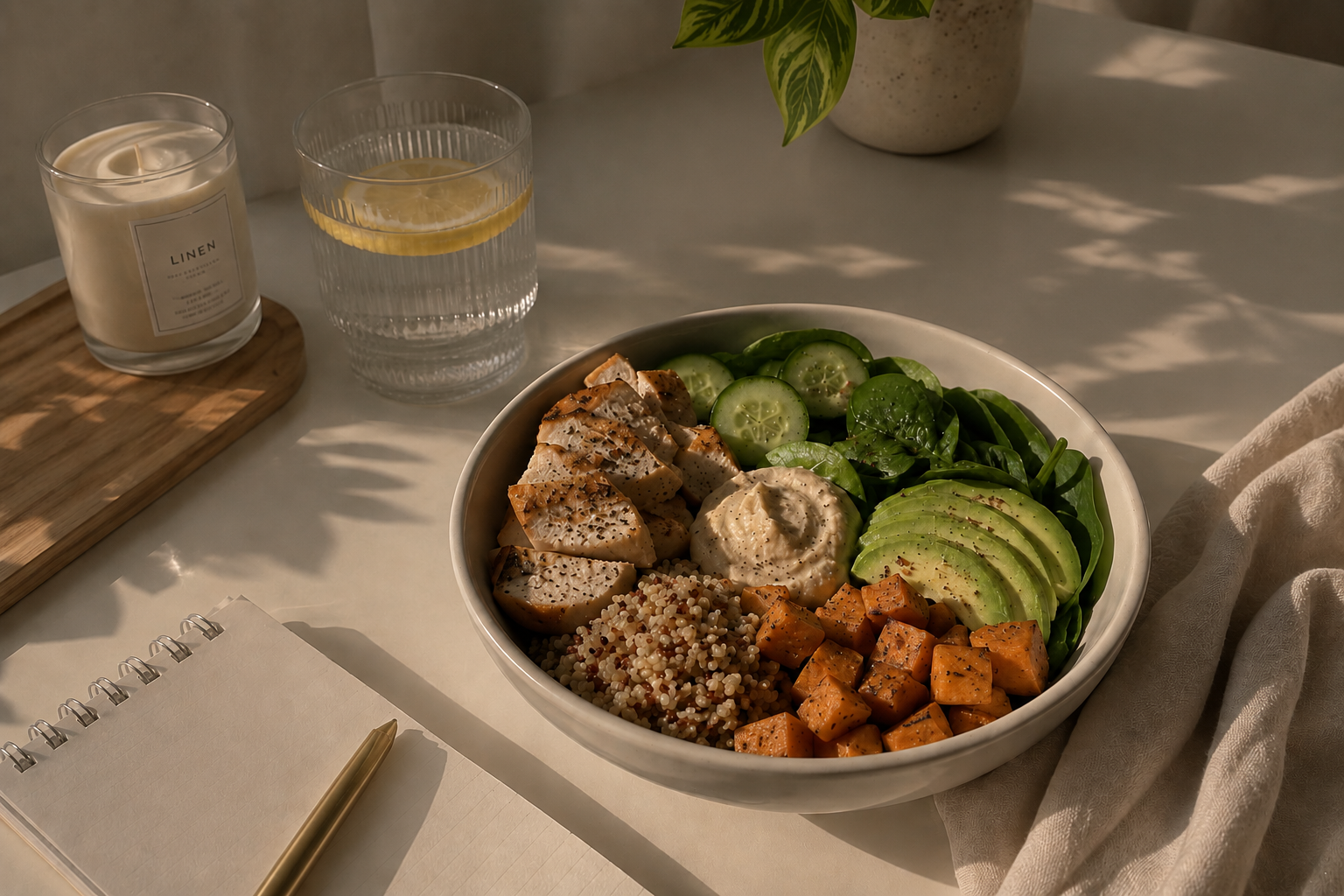
Start With What's Already Whole
Before swapping anything, look at what's already on your list that doesn't need help. Fruit. Vegetables. Nuts. Legumes. These are the ingredients that grew, not the ones assembled in a factory to taste like something that grew. If half your cart already looks like this, you're closer than you think.
The Swaps Worth Making
Chips → Roasted chickpeas or veggie crisps. Same crunch, same salt craving satisfied, minus the ingredient list you can't pronounce.
Bottled dressing → Olive oil, lemon, and whatever herb is nearby. Most bottled dressings are built on sugar and stabilizers. A good olive oil and a squeeze of citrus does more work than people expect.
Flavored yogurt → Plain yogurt, fresh fruit, and a drizzle of honey. You control the sweetness instead of inheriting someone else's recipe for it.
Store-bought granola bars → A handful of nuts, seeds, and dried fruit. Less packaging, less added sugar, and it takes about as long to grab as unwrapping a bar.
White bread → Sprouted or whole grain. Not a dramatic shift in taste, but a real one in what your body actually gets to work with.
None of these require a specialty grocery run. Most of it is in the produce and bulk sections you already walk past.
Why This Matters More Than Calories
Clean eating isn't really about restriction. It's about proximity. The closer a food is to its original, growing form, the more your body recognizes what to do with it. That's the whole idea. Not perfection, not elimination. Just choosing the version of something that still remembers where it came from.
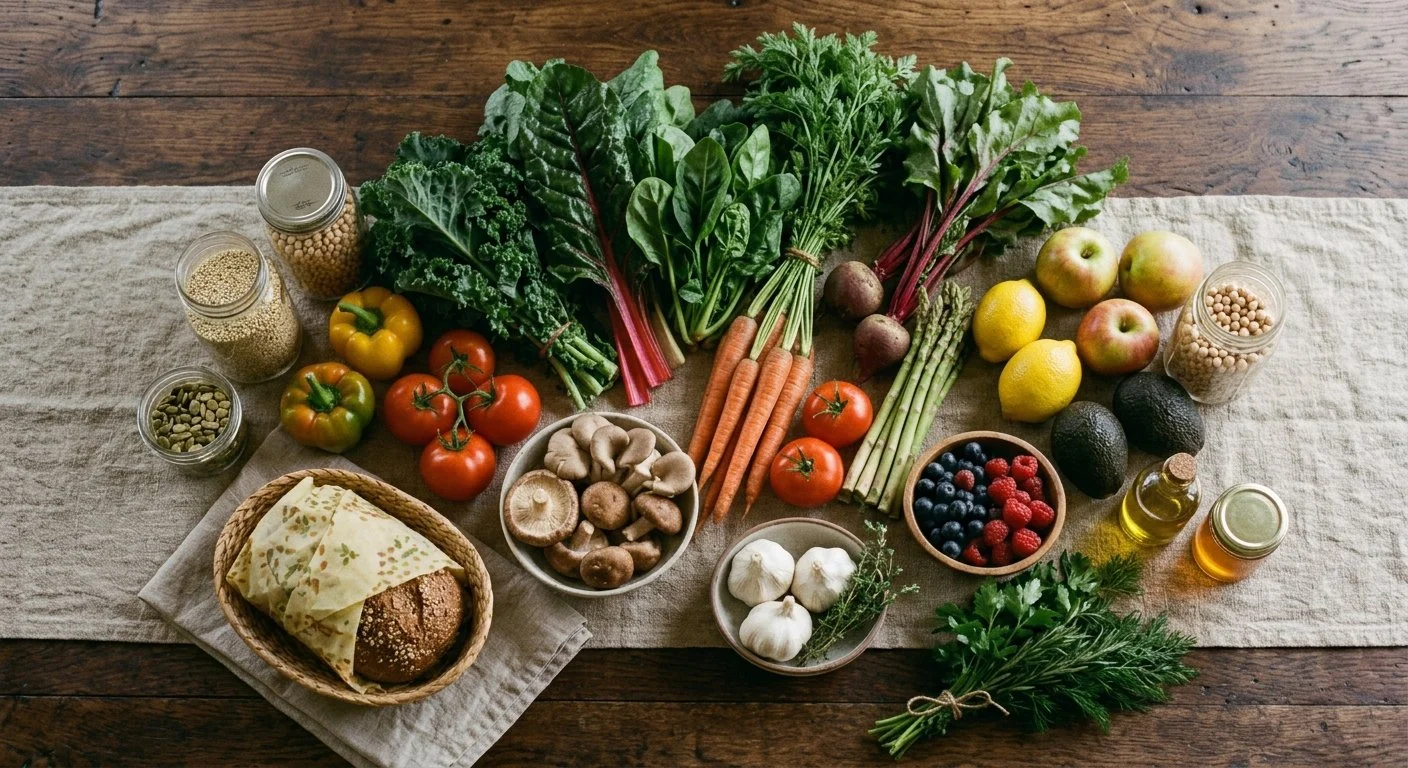
A Small Shift, Repeated
You don't need to overhaul your kitchen this week. Pick one swap. Make it your normal for a month. Then pick another. Clean eating that lasts is built the same way any lifestyle change is which is in small, repeatable choices, not one dramatic reset.
The plants were always the answer. We just got a little disconnected from that along the way. This is about finding our way back.